

Invisalign at Mornington Peninsula Dental Clinic: What to Expect From Start to Finish
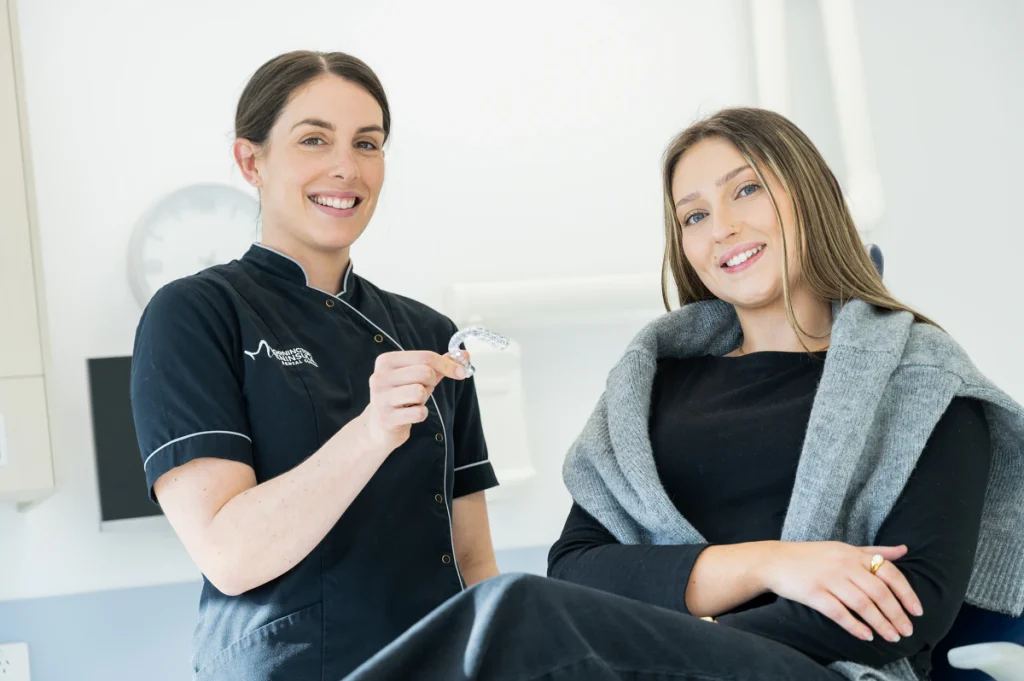
Invisalign at Mornington Peninsula Dental Clinic: What to Expect From Start to Finish
If you have been thinking about straightening your teeth but are unsure where to begin, understanding the Invisalign process from the very first appointment can make the decision feel much more manageable. Invisalign uses a series of custom-made, removable clear aligners to gradually move teeth into a more aligned position, without the brackets and wires of traditional braces. This post walks you through each stage of treatment so you know exactly what to expect before you take the first step.
Your Initial Consultation and Treatment Planning
The process begins with a consultation at Mornington Peninsula Dental Clinic, where your dentist will assess your teeth, jaw alignment, and overall oral health. This appointment is important because not every patient is a suitable candidate for Invisalign straight away. If there are any underlying concerns such as decay or gum disease, these will need to be addressed before orthodontic treatment can begin.
If Invisalign is appropriate for your situation, your dentist will take digital scans or impressions of your teeth. These records are used to map out a precise treatment plan, including the projected movement of your teeth at each stage. You will have the opportunity to review this plan before any aligners are made, giving you a clear picture of how treatment is expected to progress. Individual results may vary depending on the complexity of your case.
Receiving Your Aligners and Starting Treatment
Once your custom aligners are ready, you will come in to collect your first sets and receive guidance on how to wear and care for them. Each aligner is worn for approximately one to two weeks before progressing to the next in the series. You will need to wear your aligners for around 20 to 22 hours per day to keep treatment on track. They are removed for eating, drinking anything other than water, and for brushing and flossing.
Some patients notice mild pressure or discomfort when switching to a new aligner, particularly in the first day or two. This is a normal response as the aligners apply gentle force to shift teeth. Over-the-counter pain relief is usually sufficient if needed, though many patients find the sensation settles quickly. Your dentist will advise you on what to watch for and when to get in touch if something does not feel right.
Check-Up Appointments During Treatment
Throughout your Invisalign treatment, you will attend periodic check-up appointments so your dentist can monitor progress and confirm your teeth are moving as planned. These visits are generally shorter than a standard dental appointment and are an important part of keeping treatment on course. Your dentist may also fit small tooth-coloured attachments to certain teeth at these visits. These attachments help the aligners grip the teeth more effectively for certain types of movement.
If your treatment plan needs to be adjusted at any point, your dentist will discuss the options with you. Refinements, where a new series of aligners is made to fine-tune the final result, are sometimes required and are a normal part of the process rather than a setback. Keeping your scheduled appointments and wearing your aligners as directed gives treatment the best opportunity to progress as planned.
Completing Treatment and Retaining Your Results
Once you have worked through your full series of aligners, your active treatment phase is complete. However, maintaining the new position of your teeth requires ongoing use of a retainer. Without a retainer, teeth have a natural tendency to shift back toward their original position over time. Your dentist will discuss the type of retainer most suitable for your situation, whether that is a removable option worn at night or a fixed retainer bonded behind the teeth.
Retention is a long-term commitment and an essential part of the overall process. Your dentist will provide clear guidance on how often to wear your retainer and when to return for follow-up checks. Maintaining good oral hygiene throughout and after treatment, including regular professional cleans as part of your preventative dentistry routine, will also support the health of your teeth and gums going forward.
Frequently Asked Questions
How long does Invisalign treatment take?
Treatment length varies depending on the complexity of each case. Minor alignment issues may be addressed in as few as six months, while more involved cases can take 18 months or longer. Your dentist will give you an estimated timeframe during your consultation, though individual results may vary.
Can I eat and drink normally with Invisalign?
Yes. Because the aligners are removable, you take them out before eating or drinking anything other than plain water. This means there are no food restrictions during treatment. It is important to brush your teeth before reinserting your aligners to avoid trapping food or bacteria against the tooth surface.
Will wearing aligners affect my speech?
Some patients notice a slight change in their speech when they first begin wearing aligners, particularly with certain sounds. This typically resolves within a few days as you adjust to wearing them. Reading aloud at home can help speed up the adjustment period.
Is Invisalign suitable for teenagers?
Invisalign offers options designed for younger patients, including features that account for teeth that are still developing. Suitability depends on the individual’s dental development and their ability to commit to wearing the aligners consistently. Your dentist can assess whether it is an appropriate option during a consultation.
Ready to find out whether Invisalign is right for you? Contact Mornington Peninsula Dental Clinic to book a consultation with our experienced team. Call us on (03) 5975 5944 or visit morningtondental.com.au to request an appointment online.
This blog post is intended for general educational purposes only and does not constitute clinical advice. Treatment suitability, outcomes, and timeframes are individual and will be assessed by your treating dentist. Please consult a registered dental practitioner for advice specific to your oral health needs.