

Cosmetic Dentistry Aftercare: How to Look After Your Results
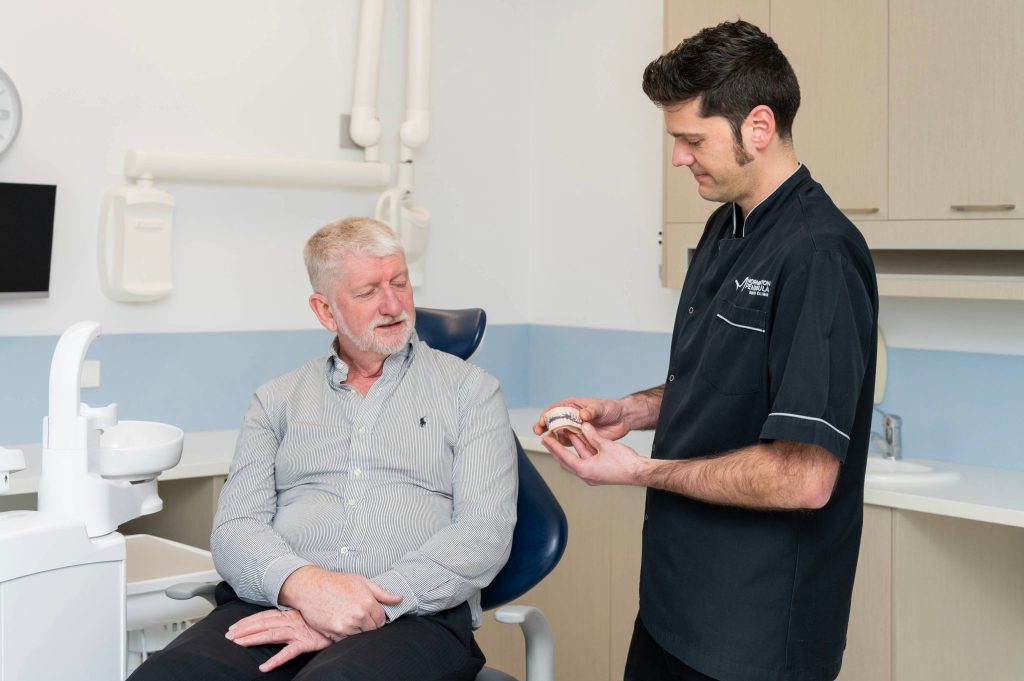
Cosmetic Dentistry Aftercare: How to Look After Your Results
You have invested time and thought into your cosmetic dental treatment, and the work does not stop once you leave the chair. Whether you have had dental veneers fitted, completed a teeth whitening programme, or finished your Invisalign journey, how you care for your teeth afterwards plays a significant role in how long your results last. This post covers practical, straightforward aftercare advice for the most common cosmetic dental treatments available at Mornington Peninsula Dental Clinic, so you can protect your investment and maintain good oral health for years to come.
Aftercare for Teeth Whitening
Both in-chair teeth whitening and take-home teeth whitening work by lifting surface stains and lightening the colour of tooth enamel. In the days immediately following treatment, your teeth may be more porous and therefore more susceptible to re-staining. During this period, it is worth avoiding deeply pigmented foods and drinks such as coffee, red wine, berries, and tomato-based sauces. If you do consume these, rinsing your mouth with water straight afterwards can help reduce their contact time with your enamel.
Tooth sensitivity is a common experience after whitening treatment, and it typically settles within a few days. Using a toothpaste formulated for sensitive teeth can help manage this. It is also worth maintaining a consistent brushing and flossing routine, as whitening treatments do not prevent new staining from forming. Individual results vary depending on diet, oral hygiene habits, and the natural colour of your teeth, so your dentist can advise you on how often a top-up treatment may be appropriate for your situation.
Caring for Dental Veneers
Dental veneers are thin shells bonded to the front surfaces of your teeth, and they are designed to be durable with the right care. In the first 24 to 48 hours after placement, avoid biting into very hard foods or anything that requires significant force, as the bonding material is still settling. Going forward, treating your veneers much like your natural teeth is the right approach. Brush twice daily with a non-abrasive toothpaste, floss regularly, and attend your scheduled dental check-ups.
It is worth being mindful of habits that place excessive pressure on veneers. Chewing on ice, biting fingernails, or using your teeth to open packaging can chip or dislodge them over time. If you grind your teeth at night, let your dentist know, as a custom mouthguard may be recommended to protect both your veneers and your natural teeth. With consistent care, veneers can remain in good condition for many years, though individual longevity will vary.
Maintaining Your Invisalign Results
Once your Invisalign treatment is complete, your teeth have been moved into their new positions, but they need time to stabilise in the surrounding bone and tissue. This is why wearing your retainer as directed by your dentist is one of the most important steps in Invisalign aftercare. Skipping retainer wear, even for short periods in the early months after treatment, can allow teeth to shift back toward their original positions.
Keep your retainers clean by rinsing them regularly and following your dentist’s cleaning instructions. Avoid exposing them to heat, which can warp the material. Your dentist will advise you on how often to wear your retainer over time, and this schedule may change as your teeth stabilise. Attending regular check-ups ensures that any early signs of movement are identified and addressed promptly.
General Aftercare Habits That Support All Cosmetic Treatments
Regardless of which cosmetic treatment you have had, certain everyday habits support lasting oral health. Brushing for two minutes twice a day, flossing daily, and using a fluoride toothpaste form the foundation of good aftercare. Staying well hydrated also helps, as saliva plays a natural protective role in the mouth. Limiting sugary and acidic foods and drinks reduces the risk of decay, which can affect both natural teeth and restorations.
Attending regular check-ups and professional cleans at Mornington Peninsula Dental Clinic is equally important. Your dentist can monitor the condition of your restorations, identify any early concerns, and provide professional cleaning that removes plaque and tartar build-up that brushing alone cannot address. These appointments are not just about maintaining appearances. They are an important part of your overall oral health care.
Frequently Asked Questions
How soon after teeth whitening can I eat normally?
It is generally advisable to avoid heavily pigmented foods and drinks for 24 to 48 hours after whitening. After this period, you can return to your usual diet, though moderating staining foods and drinks over the longer term can help maintain your results.
Can I brush my teeth straight after getting veneers?
Yes, you can continue your regular brushing routine after veneer placement. Use a soft-bristled toothbrush and a non-abrasive toothpaste. Avoid whitening toothpastes, as these can be too harsh for the veneer surface over time.
What happens if I stop wearing my Invisalign retainer?
Teeth can gradually shift back toward their previous positions if the retainer is not worn as directed. This is particularly likely in the months immediately following treatment. Consistent retainer wear is the most reliable way to maintain your alignment results.
How often should I visit the dentist after cosmetic treatment?
Most patients are advised to attend check-ups every six months, though your dentist may recommend a different schedule based on your individual needs. Regular visits allow your dentist to assess your restorations and address any concerns early.
If you have questions about aftercare following your cosmetic dental treatment, or you would like to discuss your options, the team at Mornington Peninsula Dental Clinic is here to help. Call us on (03) 5975 5944 or visit morningtondental.com.au to book an appointment.
This blog post is intended for general educational purposes only and does not constitute dental advice. Individual results from cosmetic dental treatments vary. Please consult a qualified dental professional to discuss your specific circumstances and suitability for treatment.