

Understanding How Dental Veneers Work
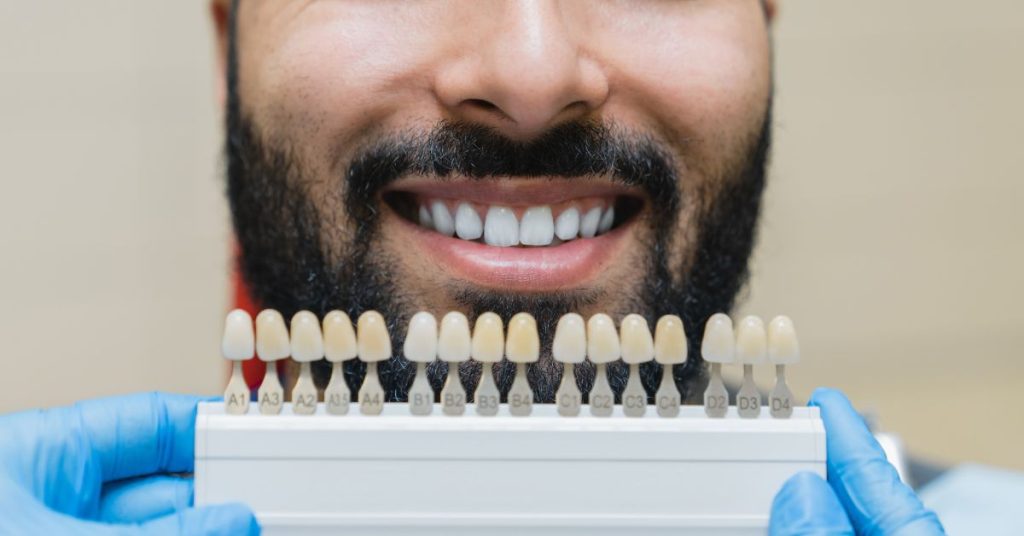
Many individuals seek dental solutions to enhance the appearance of their teeth. Dental veneers are a popular option that may help improve the appearance of your smile, concealing imperfections and contributing to a brighter, more uniform look. It’s important to understand the procedure’s considerations and risks, which are detailed below.. In this blog, we’ll delve into everything you need to know about dental veneers, from the basics to long-term care.
What to Know Before Getting Porcelain Veneers
Porcelain veneers are one of the most popular dental veneers available today. They can assist in improving the appearance of teeth, including issues with alignment, symmetry, and colour. and are an popular option for people wanting to improve the appearance of:
- Teeth that are discoloured due to root canal treatment, stains from tetracycline or other drugs, excessive fluoride, or large resin fillings.
- Worn down teeth.
- Chipped or broken teeth.
- Misaligned, uneven, or irregularly shaped teeth.
- Teeth with unsightly gaps between them.
Before considering this treatment, which aims to enhance your smile, there are a few things you should be aware of:
What are they?
Dental veneers – also known as ‘porcelain veneers’ or ‘dental porcelain laminates’ – are wafer-thin shells made from either porcelain or a resin composite. They are bonded to the front surfaces of your teeth to improve the appearance of tooth shape, colour, size and alignment.
Speak to a professional before undertaking any treatment
The journey to improving your smile begins with a consultation with your dentist. You’ll discuss your expectations, concerns, and desired results during this initial meeting. Your dentist will also examine your teeth and assess if veneers are the right option for you.
A customisable approach
Each set of porcelain veneers is tailor-made to fit your unique dental structure. This approach aims to provide a customised look that enhances your smile and complements your facial features, though individual results may vary.
Irreversible procedure
It’s important to note that getting porcelain veneers is an irreversible process. Your dentist will remove a thin layer of enamel from the front of your teeth to make room for the veneers. While the procedure is generally well-tolerated, it is permanent.
Temporary veneers
Before your permanent veneers are crafted, you may be given temporary ones to wear. These offer a preview of your potential new smile.
What are the benefits of dental veneers?
Dental veneers are a cosmetic option for individuals seeking to modify the appearance of their teeth.
Dental veneers:
- Offer dynamic colour variation and translucency, which mimics the appearance of tooth enamel to create a natural-looking smile.
- Are made of a biocompatible material that gum tissue usually tolerates well.
- Requires tooth shaping, involving the removal of approximately half a millimetre of enamel from the front of the tooth. This is a permanent and irreversible process.
- The procedure is typically well-managed for patient comfort, with anaesthetic options available as needed.
- Are stain resistant.
- Do not require a separate or special cleaning routine.
- Can last up to 15 years, depending on the type of veneer selected and how well the veneers are maintained.
- Veneers offer a valuable solution for improving the appearance of teeth.
Who can get veneers?
Dental veneers are a versatile option for a variety of dental concerns, such as:
Discoloured teeth
Stubborn stains that resist whitening treatments can be effectively masked by veneers, which can contribute to a brighter smile.
Chipped or cracked teeth
Veneers can improve the aesthetic appearance of damaged teeth.
Misaligned or uneven teeth
If your teeth have minor alignment issues or are uneven, veneers can be used to improve the aesthetic appearance, contributing to a more aligned and uniform look.
Gaps between teeth
Veneers can be an option to address gaps between teeth, providing an aesthetic modification that may be suitable for some cases where orthodontic treatment is not desired or indicated.
Will my teeth be shaved down?
One common concern that often arises when considering dental veneers is the extent of tooth preparation required. While it’s true that a thin layer of enamel needs to be removed to make room for the veneers, this process is typically minimal. Your dentist will aim to preserve as much of your natural tooth structure as possible. This process involves carefully preparing your teeth to ensure the veneers fit securely and naturally.
How long does it take?
The time frame for getting dental veneers is usually a two-step process:
Initial consultation
Your first visit to the dentist will involve discussing your goals and taking X-rays or impressions of your teeth. From here, your dental professional will use this information to design your custom veneers.
Veneer placement
In your second appointment, your veneers will be bonded to your teeth. The dentist will clean, polish, and etch your teeth to ensure a secure fit. Then, a dental adhesive is used to attach the veneers, followed by a special light to harden the adhesive quickly.
Do veneers last forever?
While dental veneers are durable and can last for many years with proper care, they are not invincible. The longevity of your veneers depends on various factors, including your oral hygiene habits, lifestyle choices, and regular dental check-ups. On average, porcelain veneers can last anywhere from 10 to 15 years, after which they may need replacement or maintenance.
Do dental veneers stain?
One of the notable benefits of porcelain veneers is their resistance to staining. Unlike natural teeth, which can be affected by coffee, tea, or tobacco stains, veneers are made from non-porous materials that are highly resistant to discolouration. Veneers are highly resistant to discolouration, which can allow for continued enjoyment of many foods and beverages, though maintaining good oral hygiene and avoiding excessive force is still important.
Caring for your veneers
To ensure the longevity and brilliance of your dental veneers, follow these easy tips:
Maintain excellent oral hygiene
Brush and floss regularly to keep your teeth and veneers clean and free from plaque build-up.
Avoid biting on hard objects
While veneers are sturdy, they can still be damaged by excessive force, so avoid biting on hard items like ice or using your teeth as tools.
Use a non-abrasive toothpaste
Opt for toothpaste without harsh abrasives to protect the surface of your veneers from unnecessary wear.
Protect your smile
If you play sports or grind your teeth at night, consider using a mouthguard to safeguard your investment.
Final thoughts on dental veneers
Dental veneers are a versatile option for modifying the appearance of your smile. Whether you want to address discolouration, chips, or gaps, veneers can contribute to an enhanced, natural-looking aesthetic. If you are considering dental veneers, we invite you to contact the Mornington Peninsula Dental Clinic for a consultation.
Important Information: Risks and Considerations
Dental veneers are a cosmetic dental procedure that involves the permanent removal of a thin layer of tooth enamel (approximately 0.5mm). This process is irreversible, meaning your teeth will always require some form of restoration after veneers are placed.
Potential risks and considerations include:
- Tooth sensitivity, particularly to hot and cold, which may be temporary or ongoing
- Chipping, cracking, or debonding of veneers, which may require repair or replacement
- Colour mismatch over time as surrounding natural teeth may change shade
- The need for replacement — veneers typically last 10 to 15 years with proper care, but are not permanent
- Potential for nerve damage in rare cases, which may require further treatment
- Veneers may not be suitable for patients who grind or clench their teeth
Individual results may vary. A thorough dental assessment and consultation is required to determine suitability. Your dentist will discuss all potential risks, benefits, and alternative treatment options with you before proceeding.
Disclaimer: The information provided in this blog is for informational purposes only and does not substitute professional dental advice. Consult your dentist for personalised recommendations and treatments.