

What You Need to Know About Wisdom Teeth Removal
What You Need to Know About Wisdom Teeth Removal
Wisdom teeth are the final molars to come through, typically appearing in the late teenage years or early twenties as part of the natural development of adult teeth. Not everyone develops wisdom teeth, and not all wisdom teeth cause problems. But for some people, these molars can lead to issues that make removal the best option.
Why Wisdom Teeth Are Often Removed
Lack of Space
Often, mouths do not have enough room to accommodate four extra molars. This can lead to overcrowding, misalignment, or damage to nearby teeth.
Impaction
In some cases, wisdom teeth don’t fully break through the gum surface. When they remain stuck below the gum or grow at an angle, they’re considered impacted. This can cause pressure, pain, or contribute to swelling and potential infection.
Partial Eruption
Occasionally, wisdom teeth only emerge partway. This can leave a small fold of gum that’s difficult to keep clean, allowing bacteria and food particles to collect, which may increase the chance of inflammation or decay.
Cysts and Damage
Cysts can form around impacted teeth, potentially damaging surrounding bone and teeth. Early removal can help prevent these complications.
Common Symptoms Indicating a Problem
- Pain or tenderness in the back of the mouth
- Swelling or redness around the gums
- Difficulty opening the mouth
- Bad breath or unpleasant taste
- Jaw stiffness
What to Expect During Removal
Wisdom teeth removal is a common oral surgery procedure, often performed under local, anaesthesia, IV sedation or general anaesthesia. The dentist or oral surgeon will:
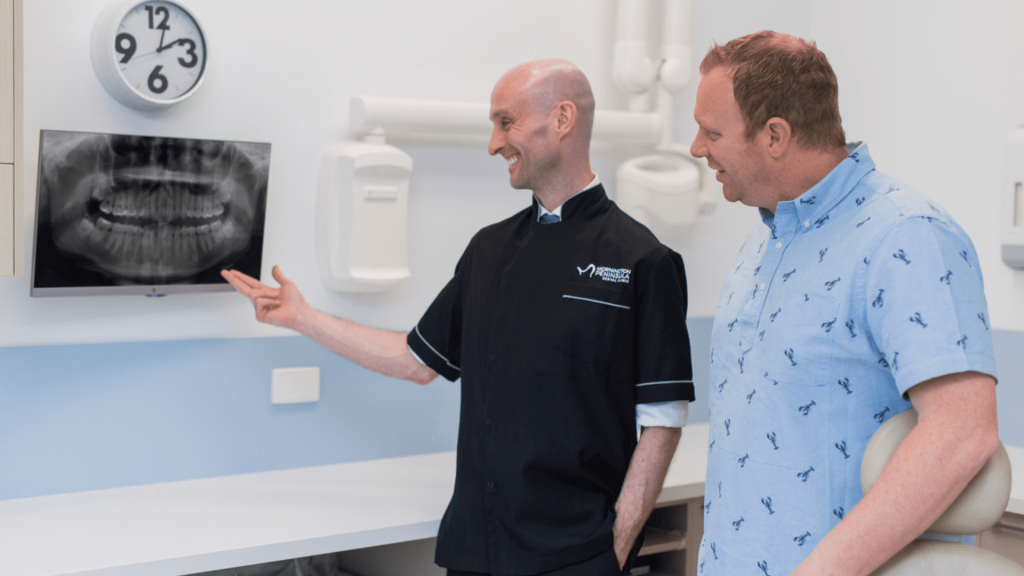
- Examine x-rays to assess the position of the teeth
- Create a treatment plan
- Remove one or more wisdom teeth through a minor surgical procedure
Recovery typically involves:
- Rest and limited activity for a few days
- Pain management with medication
- Soft foods and good oral hygiene to support healing
When to Consider an Assessment
A dental professional may recommend an assessment in the late teens or early twenties to evaluate:
- The position of the wisdom teeth
- Potential for future complications
- Whether early removal is advisable to avoid future issues
Frequently Asked Questions
Do all wisdom teeth need to be removed?
Not necessarily. If they are healthy, fully erupted, and properly aligned, they may not require removal.
At what age are wisdom teeth usually removed?
Typically, between ages 17 and 25, when the roots are not fully formed and healing is faster.
Is wisdom teeth removal painful?
The procedure is performed under anaesthesia or IV sedation, so you won’t feel pain during removal. Some discomfort is normal during recovery.
Avoid future complications with expert guidance and care
Wisdom teeth can become painful or problematic when there isn’t enough room for them to come through properly. At Mornington Peninsula Dental Clinic, we offer clear assessments, expert care and a calm, supportive environment to help you understand your options and plan ahead.
Whether you’re experiencing discomfort now or just want peace of mind, we’ll guide you through what’s best for your long-term oral health.
Book online or call Mornington Peninsula Dental Clinic.